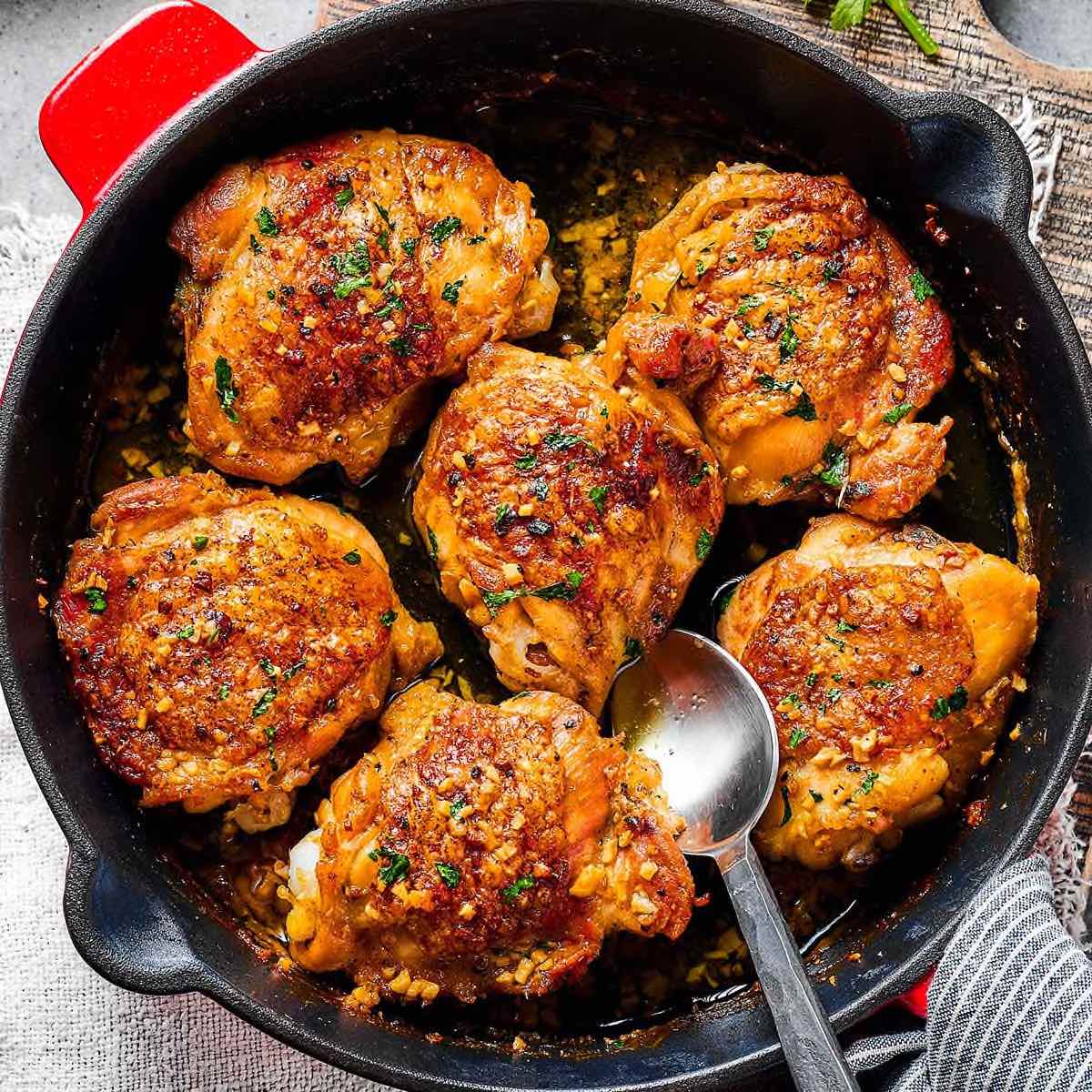
For too long, chicken thighs have been misunderstood, often dismissed as fatty, greasy, or simply difficult to cook without drying out. Many of us have avoided them, navigating a culinary landscape where achieving that perfect balance of crispy skin and succulent, juicy meat seemed like an elusive dream. But what if we told you there's a game-changing technique that transforms this humble cut into a culinary masterpiece, consistently delivering mouthwatering results?
Enter the cast iron skillet. This kitchen workhorse isn't just for cornbread; it's the ultimate secret weapon for mastering cast iron chicken thighs. Its unique properties sear the skin to an irresistible crisp, while simultaneously locking in all the natural juices, ensuring every bite is flavorful and never dry. This method isn't just easy; it’s a revelation, turning a once-tricky ingredient into a reliable, versatile staple perfect for everything from quick weeknight dinners to impressive meals for guests.
As busy parents, culinary enthusiasts, or anyone seeking delicious yet efficient meals, we understand the need for recipes that just *work*. This approach to chicken thighs isn't just a recipe; it's a proven solution for a protein-packed dinner that’s effortlessly integrated into tacos, vibrant bowls, hearty wraps, or simply enjoyed on its own. Get ready to elevate your cooking and fall in love with chicken thighs all over again.
Why Cast Iron is Your Secret Weapon for Chicken Thighs
The magic behind truly exceptional cast iron chicken thighs lies squarely in the skillet itself. Cast iron cookware possesses a unique set of thermal properties that no other pan can quite replicate, making it ideal for achieving that coveted crispy skin and juicy interior.
Unrivaled Heat Retention and Distribution
Unlike lighter pans that fluctuate in temperature, cast iron gets incredibly hot and, crucially, stays hot. This consistent, even heat distribution is paramount for searing. When those chicken thighs hit the sizzling surface, the cast iron doesn't immediately lose heat. Instead, it maintains its high temperature, ensuring that the entire surface of the chicken skin makes contact with intense heat, leading to an incredibly effective and uniform sear.
This steady heat prevents the chicken from steaming – a common pitfall in less robust pans that results in rubbery, lackluster skin. Instead, the persistent high temperature promotes the Maillard reaction, developing those rich, complex flavors and a beautiful golden-brown crust that's both visually appealing and incredibly delicious.
The Art of Moisture Locking
Beyond the crisp, cast iron's ability to maintain high heat also plays a vital role in keeping the chicken moist. The intense initial sear quickly forms a flavorful crust, effectively sealing in the chicken's natural juices. This creates a barrier that prevents moisture from escaping, ensuring the meat remains tender, succulent, and full of flavor. Forget dry, stringy chicken; with cast iron, you're guaranteed a juicy experience every time.
For anyone who has struggled with chicken thighs being either too fatty or drying out, cooking them in a cast iron skillet will be a revelation. It transforms them from a kitchen challenge into a triumph, making them one of the most reliable and satisfying proteins you can cook. This isn't just about cooking; it's about harnessing the power of your cookware to unlock the full potential of your ingredients. Discover more about this technique in our deep dive into the Cast Iron Secret: Achieve Perfectly Seared, Flavorful Chicken Thighs.
Essential Ingredients and Simple Seasoning for Flavorful Results
One of the beauties of perfecting cast iron chicken thighs is the simplicity of the ingredient list. You don't need a pantry full of exotic spices or complex sauces; the magic happens with quality ingredients and a thoughtful approach to seasoning.
The Core Components
- Bone-in, Skin-on Chicken Thighs: This is non-negotiable for maximum flavor and juiciness. The bone helps conduct heat evenly and adds depth, while the skin crisps up beautifully and protects the meat from drying out.
- High Smoke Point Oil: Avocado oil, grapeseed oil, or canola oil are excellent choices. You'll need just a touch to help render the fat and prevent sticking, though much of the cooking will occur in the chicken's own rendered fat.
- Salt and Freshly Ground Black Pepper: The absolute foundation. Don't be shy with the salt; it's crucial for drawing out moisture and enhancing flavor.
Crafting Your Flavor Profile
While salt and pepper are essential, a simple blend of spices can elevate your chicken thighs from delicious to extraordinary. Here are some classic combinations that perfectly complement the rich flavor of chicken:
- Savory Blend: Paprika (sweet or smoked), garlic powder, onion powder, and dried thyme are a timeless combination that offers warmth and depth.
- Herbaceous Twist: Rosemary, oregano, and a touch of sage can add an aromatic, almost Mediterranean flair.
- A Hint of Heat: A pinch of cayenne pepper or chili powder can introduce a subtle kick without overpowering the dish.
Pro Tip: Pat your chicken thighs *exceedingly dry* with paper towels before seasoning. Any residual moisture on the skin will hinder it from crisping up, instead causing it to steam. This step is critical for achieving that shatteringly crispy skin we’re after!
The Bright Finish: Fresh Lemon
What truly takes cast iron chicken thighs to the next level is the addition of fresh lemon slices. Placed in the skillet during the final stages of cooking, the lemon imparts a bright, tangy zest that beautifully cuts through the richness of the chicken. It's a simple touch that adds a vibrant counterpoint, elevating the entire dish from good to truly memorable. The gentle acidity also helps to brighten all the other savory flavors, creating a harmonious and balanced plate.
The Step-by-Step Method for Perfectly Crispy Cast Iron Chicken Thighs
Mastering cast iron chicken thighs is less about complex maneuvers and more about precise technique. Follow these steps to achieve that perfect crispy skin and incredibly juicy meat every single time.
1. Preparation is Key
- Pat Dry, Pat Dry, Pat Dry: We can't stress this enough. Remove the chicken thighs from their packaging and pat them thoroughly dry on all sides with paper towels. Get rid of every speck of moisture from the skin – this is the absolute most critical step for crispiness.
- Season Generously: Once dry, season both sides of the chicken thighs liberally with salt, freshly ground black pepper, and your chosen spice blend (paprika, garlic powder, thyme, etc.). Gently rub the seasoning into the skin. If desired, you can even lift the skin slightly and season the meat underneath for extra flavor.
- Bring to Room Temperature: For more even cooking, let the seasoned chicken thighs sit out at room temperature for about 15-20 minutes while you preheat your skillet. This helps prevent the chicken from seizing up when it hits the hot pan.
2. The Searing Stage
- Preheat Your Skillet: Place your cast iron skillet over medium-high heat. Allow it to preheat for a good 5-7 minutes until it's very hot. You can test by dropping a tiny bead of water; if it sizzles and evaporates immediately, it's ready. A good sear starts with a hot pan.
- Skin-Side Down First: Add a tablespoon or two of high-smoke-point oil (like avocado or grapeseed) to the hot pan, ensuring it coats the bottom. Carefully place the chicken thighs, skin-side down, into the hot skillet. Do not overcrowd the pan; cook in batches if necessary to ensure proper searing.
- The Render and Crisp: Let the chicken sear undisturbed for 8-12 minutes. Resist the urge to move them! This allows the fat to render out from the skin, gradually crisping it to a deep golden brown. You'll see the edges becoming golden. Once the skin is beautifully browned and easily releases from the pan, it's time to flip.
3. Flipping and Finishing
- Flip and Finish: Flip the chicken thighs over. Now, you can add any aromatics like fresh lemon slices, sprigs of rosemary or thyme, or minced garlic around the chicken in the rendered fat.
- Cook Through: Continue cooking for another 10-15 minutes, or until the internal temperature of the thickest part of the thigh reaches 165°F (74°C) as measured with an instant-read thermometer. For very thick thighs, or if you prefer a hands-off finish, you can transfer the skillet (if oven-safe) to a preheated 375°F (190°C) oven to finish cooking.
- Rest for Juiciness: Once cooked, transfer the chicken thighs to a cutting board and let them rest for at least 5-10 minutes before slicing or serving. This allows the juices to redistribute throughout the meat, resulting in an even more tender and succulent texture.
Beyond the Skillet: Versatility and Meal Prep Ideas
One of the most appealing aspects of mastering cast iron chicken thighs is their incredible versatility. Once you've perfected that crispy skin and juicy meat, the culinary possibilities are endless, making this dish a true weeknight hero and a meal prep superstar.
Effortless Weeknight Dinners
These perfectly cooked chicken thighs are far more than just a main course; they’re a foundation for a myriad of delicious, quick meals. Slice them up for:
- Speedy Tacos or Fajitas: Serve with warm tortillas, your favorite salsa, avocado, and a squeeze of lime.
- Nourishing Bowls: Pair with quinoa or rice, roasted vegetables, and a drizzle of your favorite sauce for a wholesome and satisfying meal.
- Hearty Salads: Cut into strips and top a bed of fresh greens with cherry tomatoes, cucumbers, and a light vinaigrette for a protein-packed lunch.
- Savory Wraps: Combine with hummus, crisp lettuce, and shredded carrots in a whole-wheat tortilla.
The robust flavor and satisfying texture mean these easy cast iron chicken thighs are always a welcome addition to any plate, offering a fulfilling meal without extensive effort.
Your Meal Prep Powerhouse
For those who value efficiency, cast iron chicken thighs are a dream come true for meal prepping. Double your batch, and you’ll have a versatile protein ready to go for several days:
- Lunches Made Easy: Cooked chicken thighs reheat beautifully, making them perfect for pre-portioned lunches throughout the week. Simply microwave or gently reheat in a skillet to revive some crispness.
- Flexible Dinners: Having cooked chicken on hand dramatically cuts down on dinner prep time. It's ideal for those chaotic evenings when you need a quick protein to build a meal around.
- Snackable Goodness: Cold slices of seasoned chicken can even serve as a protein-rich snack.
The ability of chicken thighs to retain their moisture and flavor even after reheating is a testament to the cast iron cooking method. This ensures that every meal, whether fresh off the skillet or reheated from the fridge, delivers on taste and texture.
Embrace the simplicity and versatility of cooking with cast iron, and let these chicken thighs transform your meal planning. It's a method that pays dividends in flavor, convenience, and culinary satisfaction.
Gone are the days of dry, uninspired chicken thighs. With the trusty cast iron skillet as your ally, you now possess the knowledge and technique to consistently achieve chicken thighs with incredibly crispy skin and unbelievably juicy, flavorful meat. This isn't just a recipe; it's a fundamental skill that transforms a common cut of meat into a culinary triumph. Whether you're whipping up a quick weeknight dinner or preparing for a week of healthy meal prep, mastering cast iron chicken thighs will quickly become your go-to method. So grab your skillet, season your chicken, and get ready to impress yourself and everyone at your table with this truly magnificent dish.
