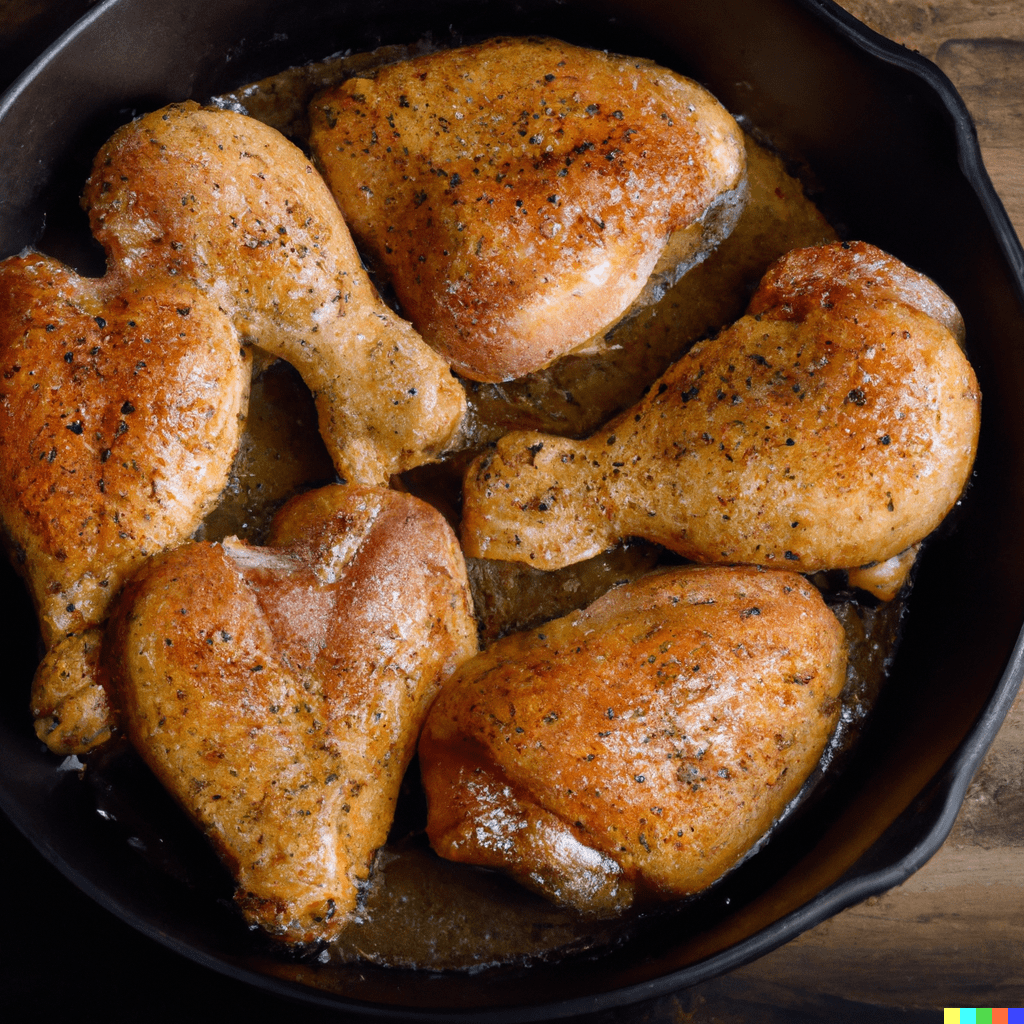
Unlock the Culinary Magic: Perfectly Seared, Flavorful Cast Iron Chicken Thighs
If you've ever struggled to get perfectly crispy, juicy chicken thighs – without them ending up either rubbery, greasy, or disappointingly dry – then it's time to unlock the secret weapon sitting in your kitchen: the humble cast iron skillet. For many home cooks, including busy parents juggling demanding schedules, chicken thighs can be a culinary enigma. They're affordable and packed with flavor, yet often mishandled, leading to less-than-stellar results. But imagine a scenario where chicken thighs become your go-to, a dish so reliably delicious it transforms into a weeknight staple and even impresses dinner guests. That transformation begins and ends with mastering the art of cooking cast iron chicken thighs. This isn't just about cooking chicken; it's about harnessing the unique power of cast iron to achieve a textural symphony: shatteringly crisp skin yielding to incredibly moist, tender meat every single time. What used to be a source of kitchen frustration for many, myself included, has now become a source of culinary pride, providing a protein-packed canvas for everything from quick chicken tacos and hearty fajitas to elegant standalone meals. The secret lies not in complex techniques or exotic ingredients, but in understanding how this age-old cooking vessel works its magic.Why Cast Iron is the Ultimate Tool for Chicken Thighs
The unparalleled performance of a cast iron skillet for cooking chicken thighs isn't just anecdotal; it's rooted in fundamental thermodynamic principles that make it superior to most other cookware.- Exceptional Heat Retention and Distribution: Unlike thinner pans that quickly lose heat when food is added, cast iron gets hot and *stays* hot. This consistent, high heat is crucial for achieving that coveted, deep golden-brown sear on the chicken skin. It means less temperature fluctuation, which translates to more even cooking and a more predictable outcome.
- The Science of Crispy Skin: The robust, steady heat from cast iron is a game-changer for rendering the fat beneath the chicken skin. As the fat slowly melts and renders out, the skin has ample time to dehydrate and crisp up, transforming from flabby to a delectable, crunchy layer. This process is far more efficient and effective than in pans with fluctuating temperatures, which often steam the skin rather than crisp it.
- Moisture Locking Mechanism: The rapid, intense sear created by a hot cast iron skillet isn't just for aesthetics. It forms a delicious crust that helps to "lock in" the natural juices of the chicken thigh. This creates a barrier, preventing the meat from drying out during the cooking process, ensuring a tender, succulent interior that bursts with flavor.
- Natural Non-Stick Properties (When Seasoned): A well-seasoned cast iron skillet, with its polymerized oil surface, can achieve remarkable non-stick qualities. This is particularly beneficial when searing skin-on chicken, as it prevents the delicate skin from tearing or sticking to the pan, ensuring an intact, perfect crust.
In essence, cast iron turns chicken thighs from a potential kitchen hazard into a reliably delicious meal. It's the steadfast companion that ensures your chicken is always juicy, flavorful, and never disappointingly dry.
The Secret to Perfectly Seared Cast Iron Chicken Thighs: A Step-by-Step Guide
Achieving culinary perfection with easy cast iron chicken thighs is less about secret ingredients and more about precise technique. Here’s a breakdown of the steps that guarantee success:1. Choose Your Thighs Wisely
Opt for bone-in, skin-on chicken thighs. The bone helps conduct heat evenly and adds flavor, while the skin is essential for that desired crispy texture and contributes significantly to moisture and richness.
2. Preparation is Paramount
- Pat Dry, Pat Dry, Pat Dry: This is arguably the most critical step for crispy skin. Use paper towels to thoroughly pat both sides of the chicken thighs until they are as dry as possible. Any residual moisture will create steam, preventing the skin from crisping.
- Season Generously: Don't be shy with seasoning. A robust blend often includes coarse salt, freshly ground black pepper, paprika (for color and mild flavor), garlic powder, and a touch of thyme. Rub it generously all over the chicken, ensuring it adheres to the skin and meat.
- Bring to Room Temperature (Optional but Recommended): Allowing the chicken to sit out for 15-30 minutes before cooking helps it cook more evenly from edge to center. This is less crucial for thinner cuts but beneficial for bone-in thighs.
3. The Art of Preheating the Skillet
A properly preheated cast iron skillet is non-negotiable. Place your empty skillet on the stovetop over medium-high heat. Let it preheat for 5-10 minutes until it's smoking slightly or a drop of water quickly evaporates. Then, add a tablespoon or two of a high smoke point oil (like avocado, grapeseed, or canola oil). Swirl to coat and let the oil heat until it shimmers. This prevents sticking and ensures an immediate, powerful sear.
4. Master the Sear
- Skin-Side Down First: Gently place the chicken thighs skin-side down into the hot oiled skillet. Do not overcrowd the pan; cook in batches if necessary to maintain consistent heat.
- Leave it Alone: Resist the urge to move or flip the chicken. Allow it to sear undisturbed for 8-12 minutes, depending on the heat and thickness of the thigh. This long, uninterrupted sear is how the skin slowly renders its fat and develops that deep golden-brown, crispy crust. You'll know it's ready when the skin releases easily from the pan.
- Flip and Finish: Once the skin is beautifully golden and crisp, flip the chicken thighs. You can continue cooking them on the stovetop over medium heat for another 10-15 minutes, or transfer the skillet to a preheated oven (around 375-400°F / 190-200°C) to finish cooking through. The oven method is excellent for larger batches and ensures even cooking without burning the skin.
5. The Crucial Resting Period
Once the chicken reaches an internal temperature of 165°F (74°C) when measured with an instant-read thermometer at the thickest part (avoiding the bone), remove it from the skillet and place it on a cutting board or platter. Tent loosely with foil and let it rest for 5-10 minutes. This allows the juices to redistribute throughout the meat, ensuring every bite is incredibly succulent.
Flavor Variations and Culinary Versatility
While simple salt, pepper, and a dash of herbs are fantastic, master cast iron chicken thighs also serve as a phenomenal canvas for diverse flavor profiles.- Spice Blends: Experiment with different spice combinations. Beyond the basics, consider adding smoked paprika for depth, onion powder for savory notes, a pinch of cayenne for heat, or even a pre-made poultry seasoning blend.
- Aromatic Additions: Elevate the dish by adding aromatics during the cooking process. Fresh lemon slices, as mentioned in our reference, provide a bright, tangy counterpoint to the richness of the chicken. Sprigs of fresh rosemary or thyme tucked under the chicken during the final cooking phase infuse the meat with herbaceous notes.
- Pan Sauce Potential: Don't discard those flavorful drippings! Deglaze the pan with a splash of white wine, chicken broth, or even a squeeze of lemon juice. Scrape up the fond (the browned bits at the bottom of the pan) to create a simple yet incredibly flavorful pan sauce.
- Slice them for quick and easy chicken tacos, fajitas, or loaded grain bowls.
- Serve them whole alongside roasted vegetables, creamy mashed potatoes, or a fresh salad for a satisfying dinner.
- Chop up leftovers for a protein boost in salads, sandwiches, or wraps throughout the week. They reheat beautifully, making them excellent for meal prep.
Troubleshooting Common Cast Iron Chicken Thighs Issues
Even with the best intentions, sometimes things don't go perfectly. Here are quick fixes for common issues:- "My Skin Isn't Crispy!": The most common culprits are insufficient patting dry, not preheating the skillet enough, or flipping the chicken too soon. Ensure chicken is bone-dry and the skillet is screaming hot before adding.
- "My Chicken is Sticking!": This almost always points to a skillet that wasn't hot enough when the chicken was added, or insufficient oil. A properly preheated, well-oiled, and seasoned cast iron skillet should release the chicken easily once a good crust has formed.
- "My Chicken is Dry!": Overcooking is the primary cause. Invest in an instant-read thermometer and pull the chicken precisely when it hits 165°F (74°C). Also, remember the critical resting period to allow juices to redistribute.
